
When you’re living with diabetes, you probably already watch your sugar and carbs like a hawk. But there’s something sneaky hiding in many everyday foods that doesn’t get enough attention—food additives. These hidden extras may not taste sweet or look suspicious, but they can still put a lot of pressure on your pancreas. Knowing what to look out for could make a big difference in how you feel and how your body manages blood sugar.
Let’s start with high-fructose corn syrup (HFCS), an artificial sweetener lurking in sodas, candy, breads, and even salad dressings. On the surface, it just seems like sugar by another name, but HFCS is especially tough on your body. It’s processed mainly in the liver, where it encourages fat buildup and makes your cells less responsive to insulin. In other words, it asks your pancreas to work overtime pumping out more insulin just so your blood sugar doesn’t spike (NIH).
Next up: sodium nitrite, which you’ll spot in foods like bacon, hot dogs, and deli meats. Nitrites help preserve these foods, but once inside your body, they can turn into harmful compounds called nitrosamines. Those aren’t just fancy chemistry words—they can actually damage the insulin-producing cells in your pancreas and increase the risk of type 2 diabetes (Diabetes Care).
Then there are trans fats, sometimes listed as “partially hydrogenated oils.” While many companies have phased them out, you’ll still find traces in some packaged baked goods or fried foods. Trans fats are a double (or triple!) whammy: they increase inflammation, mess with insulin sensitivity, and raise your risk for heart issues. Even small amounts can strain your system, which is why the FDA strongly warns against them (FDA).
Now here’s one that surprises a lot of people: artificial sweeteners like aspartame and sucralose. Since they don’t raise blood sugar directly, they seem like a good solution for diabetics, right? Well, not always. Studies show they can actually change the balance of bacteria in your gut, which may throw off your body’s insulin response and glucose control (Nature). So while they might feel like a “free pass” in the short term, the long haul picture isn’t as friendly.
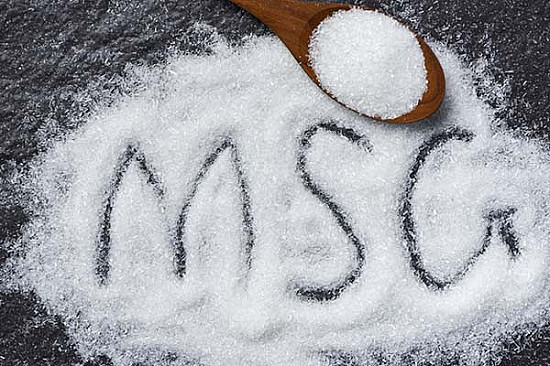
And finally, MSG (monosodium glutamate), the flavor booster found in lots of packaged snacks, soups, and restaurant foods. Research suggests it can lead to higher insulin levels by nudging your pancreas to pump more than necessary. Over time, that extra workload could tire out your pancreas and make your diabetes harder to manage (PubMed).
The takeaway? Sugar isn’t the only ingredient to watch. Hidden additives like HFCS, nitrites, trans fats, artificial sweeteners, and MSG can quietly wear down your pancreas and make managing diabetes that much tougher. Reading labels carefully and cutting back on heavily processed foods can give your hardworking pancreas a break—and that’s a gift your whole body will thank you for.
Smart Swaps for a Happier Pancreas
It’s easy to feel like everything yummy is off-limits when you start learning about these additives—but don’t worry, there are plenty of pancreas-friendly swaps that can help you enjoy food without the hidden stress. For example, instead of grabbing a soda or juice sweetened with high-fructose corn syrup, try sparkling water with a splash of fresh fruit juice or slices of lemon and cucumber. You’ll still get the refreshing fizz and flavor without making your liver and pancreas work overtime.
When it comes to meats, you can sidestep sodium nitrites by choosing fresh, unprocessed cuts like chicken breast, turkey, or fish. If you love that smoky flavor from bacon or deli slices, try roasting your own meats at home with herbs and spices—it’s healthier and surprisingly easy.
For those sneaky trans fats, you’ll want to read labels closely. A tasty alternative to packaged baked goods is baking at home with healthy oils like olive or avocado oil. Not only do you cut out the hidden additives, but you can also control sweetness and add fiber-rich ingredients like oats or almond flour.
And instead of leaning heavily on artificial sweeteners, consider more natural options like stevia or monk fruit. They don’t seem to carry the same long-term risks as aspartame or sucralose, and a little goes a long way. Even better, gradually retraining your taste buds to enjoy less sweetness overall makes it easier to manage diabetes in the long run.
Finally, if you’re worried about MSG, focus on fresh, whole foods and flavor boosters like garlic, onion, lemon juice, and fresh herbs. These can add just as much zing to your meals without the extra strain on your insulin system.
At the end of the day, it’s not about perfection—it’s about making smart, sustainable choices. By swapping out a few risky additives for healthier alternatives, you’ll give your pancreas a breather and feel better overall. Think of it as showing a little love to the hardest-working gland in your body.