Where Do Canadians Really Save on Grocery Essentials: Costco, Walmart, Loblaws, or Sobeys?
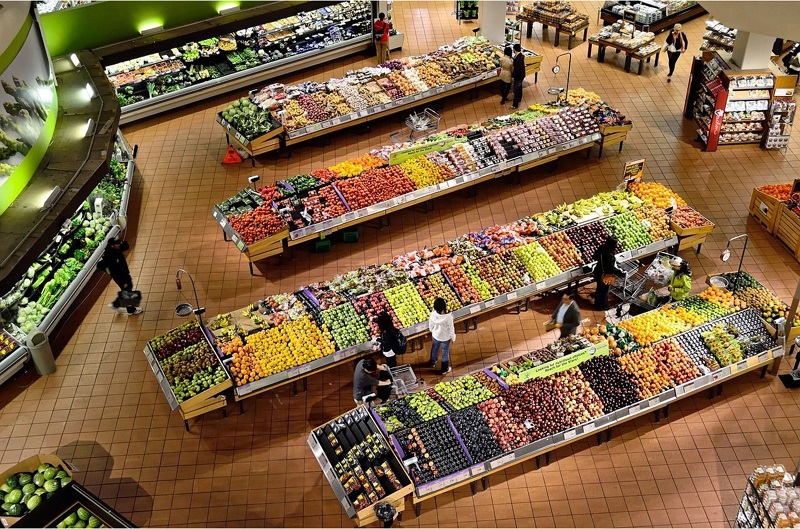
Grocery shopping used to be a mundane routine—grab a cart, tick off the essentials, head home. But in today’s Canada, where soaring food prices are causing sticker shock at the checkout, that weekly trip to the supermarket feels more like a strategic mission.
The big question so many families are asking: Which grocery store actually gives you the best value?
A recent analysis by Narcity tackled just that, comparing the cost of everyday essentials at four of the country’s major retailers: Costco, Walmart, Loblaws, and Sobeys. The results paint a clearer picture of where Canadians can find relief on their grocery bills—and where they may be overpaying.
The Contenders
- Costco: Known for bulk deals and membership perks, it’s a go-to for larger families or people who love stocking up.
- Walmart: A retailer that prides itself on affordability and price matching.
- Loblaws: A Canadian grocery giant with deep roots, brand recognition, and wide selection.
- Sobeys: Another household name, with a reputation for fresh produce and quality selection, but often at a premium.
What the Price Comparison Revealed
The Narcity experiment compared staples such as bread, eggs, snacks, and butter across all four grocery players.
- Costco led overall when purchases were broken down to their per-unit price. A carton of eggs or a block of butter costs less overall when spread out across larger bulk sizes. Families willing to spend more up front saw the biggest payoff here.
- Walmart proved to be the best for smaller baskets. Single items often beat out competitors, making it a better option for students, singles, or couples who don’t want their fridge overwhelmed with club-sized products.
- Sobeys and Loblaws positioned themselves at the higher end. Whether it’s due to brand partnerships, store experience, or simply pricing strategies, many staples carried a higher premium compared to Costco or Walmart.
The Psychology of Price and Perception
While the numbers show a clear winner, many Canadians still flock to Loblaws and Sobeys. Why? It often comes down to convenience and trust. These stores are more likely to be in prime neighbourhood locations, and shoppers associate them with fresh produce, wider variety, and certain premium store brands.
Costco and Walmart, on the other hand, appeal more directly to cost-conscious shoppers. Costco builds its value proposition on bulk discounts and exclusivity through membership, while Walmart leans heavily on being “always low prices.”
What This Means for Different Shoppers
- Families & Meal Preppers: Costco is a no-brainer. Bulk staples like rice, pasta, protein, and snacks mean fewer trips to the store and more long-term savings.
- Singles & Apartment Dwellers: Walmart might be the smartest choice. Buying oversized packs at Costco can lead to waste if you can’t store or finish them in time.
- Casual or Last-Minute Shoppers: Loblaws and Sobeys deliver convenience, albeit at a cost. You’re paying for access, freshness, and variety more than strict affordability.
The Bigger Economic Picture
This comparison comes at a time when Canadians are increasingly skeptical about grocery chains’ pricing practices. Food inflation, corporate profits, and allegations of price-fixing have put supermarket giants under scrutiny. Shoppers have responded with more coupon-clipping, price-matching apps, and alternative options like discount stores, farmers’ markets, and meal-kit subscriptions.
In a climate where every dollar counts, comparisons like these reinforce an important takeaway: where you shop can significantly impact your household budget.
Bottom Line
- If you’ve got the space, budget, and appetite for large quantities, Costco still rules as the king of savings.
- For a balance of price and portion size, Walmart gives the best bang for your buck.
- Expect to pay more for the convenience, branding, and variety of Loblaws and Sobeys.
Ultimately, the smartest consumers will mix and match—Costco for the staples, Walmart for top-ups, and the higher-end stores for specialty or fresh items.
Because in today’s Canada, grocery shopping isn’t just a chore. It’s a strategy.
Source: Narcity