Calf Raises to Reduce Blood Sugar Spikes

If you’ve ever felt that big slump after a meal, here’s some great news—you can help your blood sugar and energy levels with one simple move: calf raises. French biochemist Jessie Inchauspé (aka the Glucose Goddess) suggests taking just 5–10 minutes after eating to lift your heels up and down, either standing or sitting.

Why does it work? Because this activates your soleus muscle, which acts like a little “sugar sponge,” pulling glucose out of your bloodstream and using it for energy. That means fewer blood sugar spikes, steadier energy, and less strain on your heart and metabolism.

The best part? You don’t need the gym, special clothes, or lots of space. You can do calf raises while brushing your teeth, waiting for coffee, or even at your desk. If it feels uncomfortable, just go for a short walk instead—both are effective.

Here are the benefits you’ll love:

  • Keeps blood sugar steadier, lowering long-term risk of diabetes.
  • Boosts insulin sensitivity, helping your body process carbs.
  • Supports heart health through better circulation.
  • Helps digestion and avoids the “post-meal crash.”
  • Super easy and accessible for anyone, anywhere.

Tip: Start with 5 minutes after meals and build up to 10. Pair it with balanced meals (protein + fiber + healthy fats) for even more stable blood sugar.


So next time you finish eating, instead of sitting still, try this tiny shift. It’s simple, low effort, and your body will thank you with better energy, digestion, and overall health. A small step—literally—can lead to big changes over time!

Hidden Additives in Food That Are Hard on Your Pancreas

When you’re living with diabetes, you probably already watch your sugar and carbs like a hawk. But there’s something sneaky hiding in many everyday foods that doesn’t get enough attention—food additives. These hidden extras may not taste sweet or look suspicious, but they can still put a lot of pressure on your pancreas. Knowing what to look out for could make a big difference in how you feel and how your body manages blood sugar.

Let’s start with high-fructose corn syrup (HFCS), an artificial sweetener lurking in sodas, candy, breads, and even salad dressings. On the surface, it just seems like sugar by another name, but HFCS is especially tough on your body. It’s processed mainly in the liver, where it encourages fat buildup and makes your cells less responsive to insulin. In other words, it asks your pancreas to work overtime pumping out more insulin just so your blood sugar doesn’t spike (NIH).

Next up: sodium nitrite, which you’ll spot in foods like bacon, hot dogs, and deli meats. Nitrites help preserve these foods, but once inside your body, they can turn into harmful compounds called nitrosamines. Those aren’t just fancy chemistry words—they can actually damage the insulin-producing cells in your pancreas and increase the risk of type 2 diabetes (Diabetes Care).

Then there are trans fats, sometimes listed as “partially hydrogenated oils.” While many companies have phased them out, you’ll still find traces in some packaged baked goods or fried foods. Trans fats are a double (or triple!) whammy: they increase inflammation, mess with insulin sensitivity, and raise your risk for heart issues. Even small amounts can strain your system, which is why the FDA strongly warns against them (FDA).

Now here’s one that surprises a lot of people: artificial sweeteners like aspartame and sucralose. Since they don’t raise blood sugar directly, they seem like a good solution for diabetics, right? Well, not always. Studies show they can actually change the balance of bacteria in your gut, which may throw off your body’s insulin response and glucose control (Nature). So while they might feel like a “free pass” in the short term, the long haul picture isn’t as friendly.

And finally, MSG (monosodium glutamate), the flavor booster found in lots of packaged snacks, soups, and restaurant foods. Research suggests it can lead to higher insulin levels by nudging your pancreas to pump more than necessary. Over time, that extra workload could tire out your pancreas and make your diabetes harder to manage (PubMed).

The takeaway? Sugar isn’t the only ingredient to watch. Hidden additives like HFCS, nitrites, trans fats, artificial sweeteners, and MSG can quietly wear down your pancreas and make managing diabetes that much tougher. Reading labels carefully and cutting back on heavily processed foods can give your hardworking pancreas a break—and that’s a gift your whole body will thank you for.

Smart Swaps for a Happier Pancreas

It’s easy to feel like everything yummy is off-limits when you start learning about these additives—but don’t worry, there are plenty of pancreas-friendly swaps that can help you enjoy food without the hidden stress. For example, instead of grabbing a soda or juice sweetened with high-fructose corn syrup, try sparkling water with a splash of fresh fruit juice or slices of lemon and cucumber. You’ll still get the refreshing fizz and flavor without making your liver and pancreas work overtime.

When it comes to meats, you can sidestep sodium nitrites by choosing fresh, unprocessed cuts like chicken breast, turkey, or fish. If you love that smoky flavor from bacon or deli slices, try roasting your own meats at home with herbs and spices—it’s healthier and surprisingly easy.

For those sneaky trans fats, you’ll want to read labels closely. A tasty alternative to packaged baked goods is baking at home with healthy oils like olive or avocado oil. Not only do you cut out the hidden additives, but you can also control sweetness and add fiber-rich ingredients like oats or almond flour.

And instead of leaning heavily on artificial sweeteners, consider more natural options like stevia or monk fruit. They don’t seem to carry the same long-term risks as aspartame or sucralose, and a little goes a long way. Even better, gradually retraining your taste buds to enjoy less sweetness overall makes it easier to manage diabetes in the long run.

Finally, if you’re worried about MSG, focus on fresh, whole foods and flavor boosters like garlic, onion, lemon juice, and fresh herbs. These can add just as much zing to your meals without the extra strain on your insulin system.

At the end of the day, it’s not about perfection—it’s about making smart, sustainable choices. By swapping out a few risky additives for healthier alternatives, you’ll give your pancreas a breather and feel better overall. Think of it as showing a little love to the hardest-working gland in your body.


Diabetes Deaths Worldwide – The Latest Figures

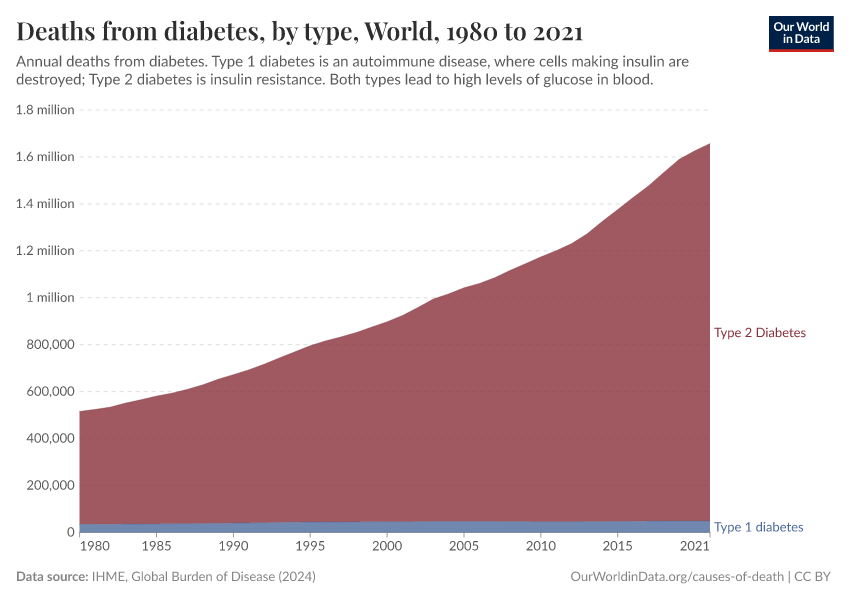
Diabetes is a major and growing cause of premature death worldwide. Recent global estimates show millions of lives lost each year as a direct result of diabetes and its complications, with the burden rising over the last decade as prevalence increases and populations age.

The World Health Organization reports that in 2021, diabetes was directly responsible for about 1.6 million deaths, and an additional ~530,000 deaths from kidney disease were attributable to diabetes — together accounting for just over 2 million deaths that year (WHO, 2024 fact sheet). See the WHO summary here: https://www.who.int/news-room/fact-sheets/detail/diabetes.

The International Diabetes Federation (IDF) provides a broader recent estimate: the IDF Diabetes Atlas (11th edition) reports that diabetes was responsible for about 3.4 million deaths in 2024 and highlights the growing scale of the disease globally (IDF Diabetes Atlas). For context and the Atlas overview, see: https://diabetesatlas.org/.

For country-level figures: the United States reported 95,190 deaths where diabetes was listed as a cause in 2023 (CDC/NCHS — FastStats), with diabetes ranking among the leading causes of death in the U.S. See the CDC summary here: https://www.cdc.gov/nchs/fastats/diabetes.htm.

Canada’s most recent published rate (2023) shows a diabetes death rate of about 18.1 per 100,000 population (Statista summary of diabetes mortality trends). That rate corresponds roughly to an order of magnitude of several thousand diabetes-attributable deaths annually in Canada (approx. ~7,000 if applied to a ~39 million population), though exact national totals and methods vary by source — see the Statista page: https://www.statista.com/statistics/495457/deaths-due-to-diabetes-worldwide-number-by-region/.

All of these figures come with methodological caveats: “deaths caused by diabetes” may be reported as deaths where diabetes is the underlying cause, deaths attributable to high blood glucose (modelled), or include related complications (e.g., kidney disease, cardiovascular events). For the most comparable, up-to-date national totals, check official national vital statistics (e.g., CDC WONDER for the U.S. or Statistics Canada releases) and the global overviews linked above.

The True Cost of One Small Daily Indulgence

The true cost — one small daily indulgence, big annual impact

If you buy one chocolate bar priced at $2 plus a bottle of pop and a bag of chips six days a week, the small daily habit adds up quickly. For this piece I’m using the following typical Canadian retail prices (rounded to simple amounts for clarity):

  • Chocolate bar: $2.00
  • Bottle of pop: $2.00 (typical single-bottle retail) — see examples of Canadian retail soda pricing at Walmart Canada and other grocery suppliers.
  • Bag of chips: $3.50 (many snack SKUs retail in the $3–$5 range in Canada; see industry pricing summaries).

Putting those numbers together, each purchase day costs $2.00 + $2.00 + $3.50 = $7.50. At six days per week that’s $7.50 × 6 = $45.00 per week. Over a year (52 weeks, consuming 6 days/week ≈ 312 purchase-days) the totals are: chocolate $2 × 312 = $624.00; pop $2 × 312 = $624.00; chips $3.50 × 312 = $1,092.00. Combined, the three items cost about $2,340.00 CAD per year.

To put that in perspective: $2,340 could cover several months of a basic grocery budget item, a modest utility bill, or a chunk of a savings goal. Broken down monthly, $2,340 ÷ 12 ≈ $195 per month; per week it’s the $45 noted above. Small daily choices like this can therefore materially affect yearly spending even when each purchase seems inexpensive.

Beyond money, there are physiological costs to frequent sugary/processed-snack consumption. Repeated intake of high-sugar drinks and refined-carbohydrate snacks forces the pancreas to release insulin frequently; over time this heightened insulin demand contributes to insulin resistance and can exhaust insulin-producing beta cells — mechanisms described by diabetes authorities and pancreatic physiology reviews (see discussions of insulin resistance and beta-cell stress from the American Diabetes Association and pancreas-focused reviews). Chronic overstimulation is linked to higher risk of prediabetes and type 2 diabetes, and in the long run can harm pancreatic function and metabolic health American Diabetes Association, Pancreapedia review on insulin secretion, Medical News Today overview.

Why Drinking Water Before A Meal Can Help With Diabetes

Why a pre-meal glass of water can help blood sugar

Drinking a glass of water before you eat may help stabilise blood glucose levels. Research referenced by Harvard Health and NIH suggests this simple habit supports the body’s natural glucose regulation—though it’s not a substitute for medication. Water taken before meals can enhance digestion, slow the pace at which sugar enters the bloodstream, and reduce the chance of high post-meal spikes.

How it works

  • Feeling fuller sooner: A glass of water before a meal can create early satiety, which often leads to eating smaller portions and consuming fewer carbohydrates at once — reducing post-meal blood sugar surges.
  • Better hydration and kidney function: Adequate fluids help kidneys filter the blood effectively, which supports removal of excess glucose.
  • Supportive, not medicinal: Water doesn’t chemically lower blood sugar like drugs do; it helps bodily systems that manage glucose operate more smoothly.

Who benefits most

This habit can be particularly helpful for people with type 2 diabetes, prediabetes, or insulin resistance because it can blunt sharp postprandial peaks and aid long-term glycaemic control. But it’s useful for people without diabetes too—improving satiety, cutting cravings, and helping with modest calorie control that may support weight management.

Does drinking water around meals harm digestion?

Contrary to a common myth, drinking water before or during meals generally doesn’t dilute stomach acid or slow digestion for most people. In many cases it assists digestion and intestinal transit. However, people with GERD, gastroparesis, or certain heart or kidney conditions should be cautious and consult a doctor if large increases in fluid intake are being considered.

Practical tips to make it work

  • Timing: Aim to drink about a glass of water 20–30 minutes before eating so fullness registers before you start.
  • Pace: Prefer steady hydration across the day over gulping large volumes at once.
  • What to drink: Plain water is best — sweetened beverages (sodas, juices) will raise blood sugar and negate the benefit.
  • Moderation: Don’t overdo it; too much water at once can cause bloating or discomfort.

Bottom line

Having a glass of water before meals is a low-cost, low-risk habit that can help with appetite control, smoother digestion, and smaller post-meal blood sugar rises. It’s a helpful, supportive practice but not a replacement for prescribed treatments, diet planning, or exercise. Check with a healthcare professional before making major changes, especially if you have underlying medical conditions.


    17 Health Issues Caused By High Blood Sugar Levels

    17 Health Issues Caused by High Blood Sugar Levels

    High blood sugar (hyperglycemia), whether from diabetes or prolonged prediabetes, damages small and large blood vessels and nerves over time. That damage underlies a wide range of serious short‑ and long‑term health problems. For context: the International Diabetes Federation estimates roughly 589 million adults (20–79 years) are living with diabetes worldwide, and diabetes was responsible for millions of deaths and huge health expenditures in recent years. High blood glucose also contributes to cardiovascular deaths—about 11% of such deaths globally are caused by raised blood glucose, according to the WHO. (Sources: IDF, WHO, PubMed)
    Sources: IDF Diabetes Atlas, WHO diabetes fact sheet, review estimates from the IDF/Diabetes Res Clin Pract.

    Quick overview: how high blood sugar causes damage

    • Microvascular damage (small vessels) → retinopathy (eye), nephropathy (kidney), neuropathy (nerves).
    • Macrovascular damage (large vessels) → heart disease, stroke, peripheral artery disease.
    • Impaired immune response and poor wound healing → infections and ulcers.
      Controlling blood glucose, blood pressure, lipids, and lifestyle risk factors reduces these risks.

    Below are 17 common health issues caused or worsened by chronically high blood sugar, with short explanations and practical notes.

    1. Cardiovascular disease (heart attack)
    • Why: Hyperglycemia accelerates atherosclerosis and damages coronary arteries.
    • Note: People with diabetes have much higher risk of heart attack; controlling glucose, BP, and lipids lowers risk.
    1. Stroke
    • Why: High glucose increases clotting risk, atherosclerosis, and small vessel disease in the brain.
    • Note: Stroke prevention requires glucose and blood‑pressure control and antiplatelet therapy when indicated.
    1. Peripheral artery disease (poor circulation in legs)
    • Why: Atherosclerosis and small vessel damage reduce blood flow to limbs, causing pain, claudication, and slow healing.
    • Note: PAD increases risk of nonhealing ulcers and amputations.
    1. Peripheral neuropathy (numbness, burning pain, loss of sensation)
    • Why: Chronic high glucose damages peripheral nerves and their blood supply.
    • Note: Loss of sensation increases risk of unnoticed injuries and foot ulcers.
    1. Autonomic neuropathy (digestive, bladder, cardiovascular problems)
    • Why: Nerve damage affects autonomic control → gastroparesis, orthostatic hypotension, bladder dysfunction, sexual dysfunction.
    • Note: Symptoms (nausea, fullness, dizziness) should prompt medical evaluation.
    1. Diabetic foot ulcers and lower‑limb amputation
    • Why: Combination of neuropathy + poor circulation + impaired healing → ulcers that can become infected and lead to amputation.
    • Note: Daily foot checks, good glycemic control, and prompt care for wounds reduce risk.
    1. Diabetic retinopathy and vision loss
    • Why: Microvascular damage in the retina causes bleeding, macular edema, and progressive vision loss.
    • Note: Regular eye exams and early treatment (laser, injections) preserve sight. (See global retinopathy burden reviews.)
    1. Diabetic nephropathy (kidney disease) and kidney failure
    • Why: High glucose injures kidney microvasculature, causing albuminuria and progressive loss of filtration.
    • Note: Diabetes is a leading cause of end‑stage kidney disease—screening (urine albumin, eGFR) is essential.
    1. Heart failure
    • Why: Chronic hyperglycemia, ischemia, and metabolic changes damage cardiac muscle and function.
    • Note: Even without classic coronary disease, people with diabetes have higher heart‑failure risk.
    1. Sexual dysfunction (including erectile dysfunction)
    • Why: Vascular and nerve damage impairs blood flow and nerve signaling to sexual organs.
    • Note: ED is common in men with diabetes and is often an early sign of vascular disease.
    1. Cognitive decline and increased dementia risk
    • Why: Vascular damage and metabolic effects of chronic hyperglycemia are linked to greater risk of vascular dementia and possibly Alzheimer’s disease.
    • Note: Midlife diabetes increases later dementia risk; prevention includes glucose and vascular risk factor control.
    1. Increased susceptibility to infections & poor wound healing
    • Why: Elevated glucose impairs immune cell function and blood flow, increasing risk of bacterial and fungal infections (skin, urinary tract, respiratory).
    • Note: Vaccination, prompt treatment of infections, and tight glucose control help reduce risk.
    1. Skin problems (fungal infections, bacterial infections, diabetic dermopathy)
    • Why: High glucose environment favors yeast/bacterial growth; poor circulation and neuropathy worsen outcomes.
    • Note: Keep skin dry, inspect regularly, and treat infections early.
    1. Periodontal disease (gum disease)
    • Why: High blood glucose promotes inflammation and infection in gums; gum disease can also worsen glucose control.
    • Note: Good oral hygiene and dental care are important in diabetes management.
    1. Nonalcoholic fatty liver disease (NAFLD) and steatohepatitis
    • Why: Insulin resistance and hyperglycemia promote fat accumulation and inflammation in the liver.
    • Note: NAFLD is common with type 2 diabetes and increases risk of liver fibrosis and cardiovascular disease.
    1. Acute metabolic emergencies: Diabetic ketoacidosis (DKA) and Hyperosmolar Hyperglycemic State (HHS)
    • Why: Severe insulin deficiency or extreme hyperglycemia causes life‑threatening metabolic derangements (DKA more in type 1; HHS more in type 2).
    • Note: These require urgent medical treatment (IV fluids, insulin, electrolyte correction).
    1. Pregnancy complications and risks for mother and baby
    • Why: Poorly controlled blood glucose in pregnancy increases risks of preeclampsia, cesarean delivery, macrosomia (large baby), neonatal hypoglycemia, and future type 2 diabetes risk in mother and child.
    • Note: Gestational diabetes requires tight monitoring and management during pregnancy.

    Signs to watch for

    • Excessive thirst and urination, unexplained fatigue, blurred vision, numbness or tingling in feet/hands, slow‑healing sores, recurrent infections, chest pain, sudden weakness/speech changes (stroke signs), pregnancy‑related concerns. If you notice these, see a healthcare provider.

    How to lower the risk of complications

    • Keep blood glucose in target range (work with your clinician to set individualized targets).
    • Control blood pressure and cholesterol.
    • Quit smoking, maintain healthy weight, eat a balanced diet, exercise regularly.
    • Attend regular screening: eye exams, foot checks, urine albumin/eGFR, dental checks, and cardiovascular risk assessment.
    • Get vaccinated (influenza, pneumococcal, shingles as recommended).
    • Follow medication plans (metformin, GLP‑1 RA, SGLT2 inhibitors, insulin, statins, antihypertensives, etc.) as prescribed.

    A few key statistics (sources)

    • IDF: ~589 million adults (20–79) living with diabetes worldwide (IDF Diabetes Atlas). https://diabetesatlas.org/
    • Diabetes caused millions of deaths and very high health expenditures; IDF noted diabetes was responsible for ~3.4 million deaths in 2024. https://diabetesatlas.org/
    • WHO: Raised blood glucose contributes to ≈11% of cardiovascular deaths, and many people with diabetes—especially in low‑ and middle‑income countries—do not receive adequate treatment. https://www.who.int/news-room/fact-sheets/detail/diabetes
    • Around half of people with diabetes may be undiagnosed in some global estimates; undiagnosed diabetes increases the chance that complications are already present at diagnosis. (See IDF/Diabetes Res Clin Pract review.) https://pubmed.ncbi.nlm.nih.gov/31518657/

    Closing / Next steps

    If you or someone you care for has high blood sugar or diabetes, schedule regular follow‑ups and screening tests (eye, kidney, feet, cardiovascular risk). Good glucose control plus attention to blood pressure, cholesterol, lifestyle, and prompt treatment of infections and wounds dramatically lowers the risk of many of the problems above.

    Alarming Diabetes Statistics Canada

    Alarming Diabetes Statistics in Canada

    • Prevalence: Over 1 in 10 Canadians are living with diabetes or prediabetes. That’s more than 3.7 million people, and the number is rising every year. By 2025, it’s expected that over 5 million Canadians will have diabetes.

    • New Cases: Between 2011 and 2022, Canada saw over 2.16 million new cases of diabetes. The risk of developing diabetes in a 10-year period for Canadians aged 20 and over is nearly 10%—and even higher for men at 11.2% source.

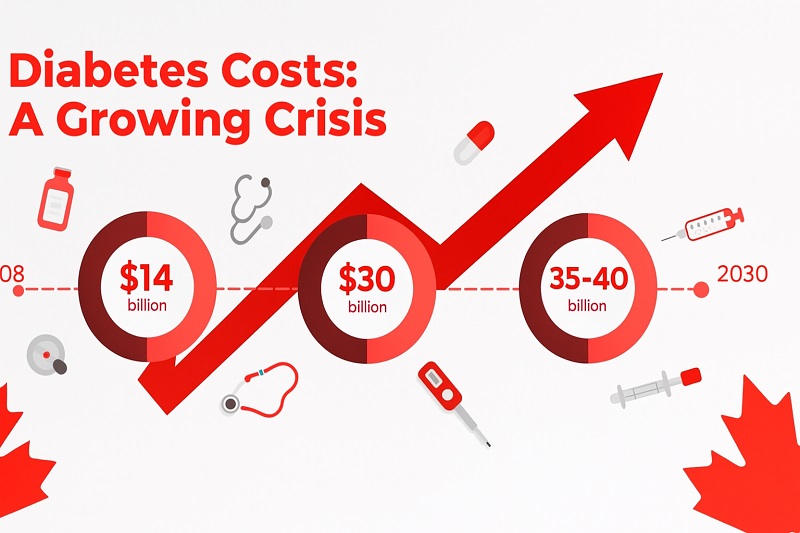
    • Economic Burden: The cost of treating diabetes in Canada has nearly doubled in the last 15 years. In 2008, the national cost was $14 billion. By 2024, it’s just under $30 billion per year source.

    • Provincial Costs: In 2023, Ontario alone spent $1.7 billion on diabetes treatment. British Columbia spent $583 million, and Alberta $514 million. Even smaller provinces like Nova Scotia spent $116 million source.

    • Personal Cost: For individuals, the out-of-pocket cost of managing diabetes can be staggering. For a Canadian adult with a family income of $30,000, diabetes-related expenses (including medications, insulin, and glucose monitoring) can eat up to 17% of their income source.

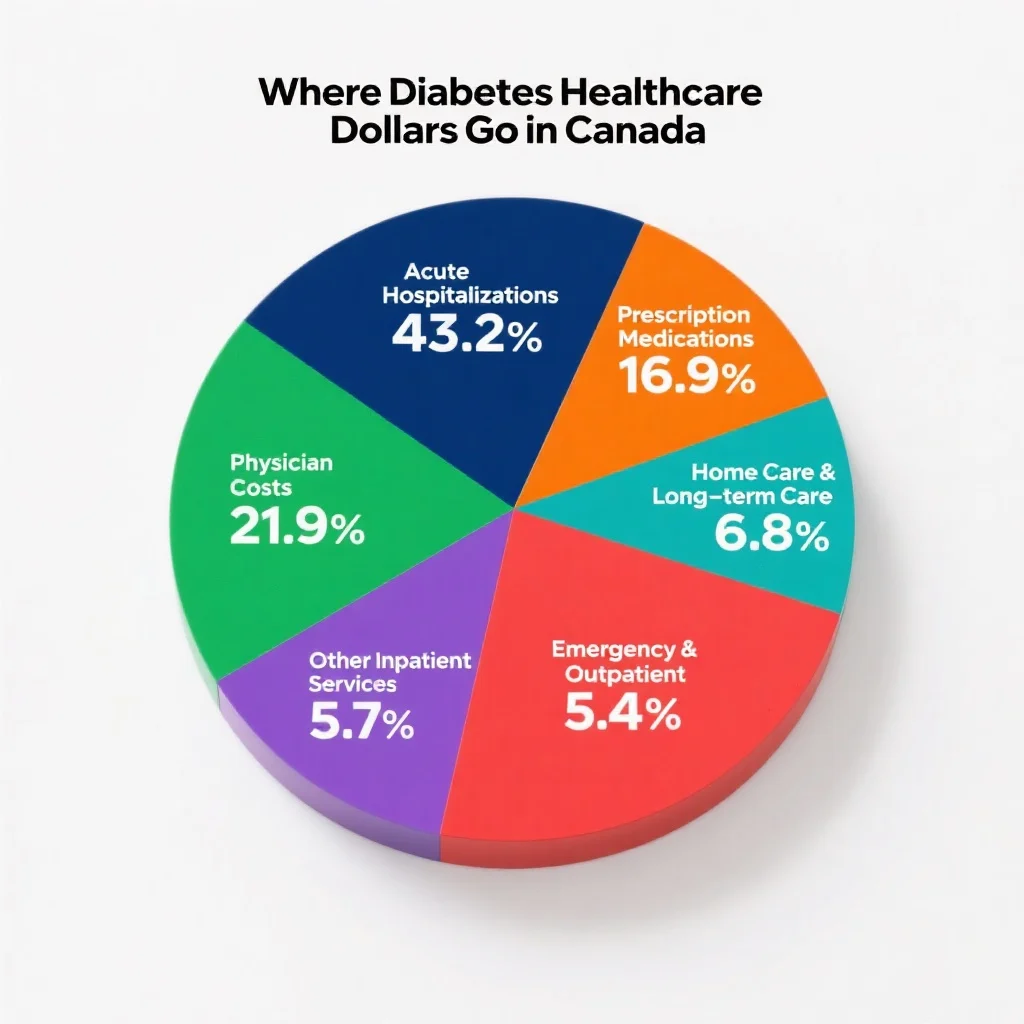
    • Healthcare System Impact: Acute hospitalizations account for the largest share of diabetes-related healthcare spending—over 43% of the total cost. Physician services, prescription medications, and home care also make up significant portions source.

    • Complications: Diabetes is a leading cause of blindness, kidney failure, heart attacks, stroke, and lower limb amputations in Canada. People with diabetes are three times more likely to be hospitalized with cardiovascular disease and 12 times more likely to be hospitalized with end-stage renal disease.

    Diabetes A Personal Story

    I’m now 62 years old, have several health issues, not because I was born with them, no, I ignored my health, and it went away. I saw a health counsellor with my mother many years ago. He prescribed some products which neither my mom nor I ever took.

    He asked me what I had eaten in the past few days, and when I told him, he said, “That’s not food.” I didn’t know what he meant. Today, I do. Much of what we humans put in our mouths here in North America is not food: Boxed prepared meals, boxed pasta dinners, sugary sweets, pop, boxed cereals, and so much more. I ate everything I listed here.

    There are chemicals in our food that we can’t pronounce. Some families’ budgets don’t allow them to purchase healthy food. What is healthy food? Fruits and vegetables, and grass-fed meats, to name a few.

    When I left home at 28, I rarely had access to good food. I ate a lot of fast food and restaurant food. Drank beer and pop, but rarely drank water. When it came to sweets, I ate chocolate bars every day. I spent most days eating sugary snacks. Little did I know that my fate was being sealed. If you eat like I did, rest assured, it will catch up with you. Some people have their extremities removed because they overindulged in eating the wrong foods, which aren’t food at all. I could show you some horrifying images of people who had one or both of their feet amputated because of complications with diabetes.

    The statistics for Diabetes are alarming. If our blood sugar levels remain high, not only can it cause lower limb issues,  it can affect your eyesight to the point you could lose it.

    I’m not trying to fear monger anyone, but for many of us our pancreases are slowly dying. When they die our bodies will get very sick. The only alternative is to take insulin. Something that I’m trying to avoid. My blood sugar levels with the metformin and meals from the Diabetic Small Meals page are now keeping my blood sugar levels below 7. I’m taking 1250 mg of Metformin a day.

    When Diabetes Limits Your Giving

    The Financial Reality for Families Earning $30,000

    Diabetes-related costs: 17% of $30,000 = $5,100 per year ($425 per month)
    Emergency fund savings: 10% of $30,000 = $3,000 per year ($250 per month)
    Congregation tithe: 10% of $30,000 = $3,000 per year ($250 per month)

    Total before any other expenses: $11,100 per year ($925 per month)
    Remaining for all other living expenses: $18,900 per year ($1,575 per month)

    The Heartbreaking Dilemma

    For families managing diabetes on a $30,000 income, that remaining $1,575 per month must cover:

    • Rent or mortgage
    • Utilities
    • Food for the family
    • Transportation
    • Clothing
    • Insurance premiums
    • All other necessities

    A Gentle Perspective on Difficult Choices

    Many faithful families find themselves in an impossible position. They want to support their congregation and build financial security, but diabetes doesn’t give them that luxury of choice. Here’s what financial advisors and even many religious leaders understand:

    Emergency funds aren’t optional with diabetes. Medical emergencies happen, and without that safety net, families can spiral into debt that makes their situation even worse.

    Your health is your stewardship. Taking care of the body you’ve been given – including affording necessary medications and supplies – isn’t selfish; it’s responsible.

    Temporary adjustments aren’t permanent abandonment. Many families reduce their tithing temporarily while building their emergency fund and getting their diabetes management costs under control. Once they’re financially stable, they can return to their desired giving level.

    A Compassionate Approach

    If you’re in this situation, consider:

    • Speaking honestly with your religious leader about your medical expenses
    • Starting with what you can afford – even $25/month to your congregation shows your heart
    • Prioritizing that emergency fund until you have at least $1,000 saved
    • Remember that taking care of your family’s health needs is also a form of faithful stewardship

    The goal isn’t to choose between faith and health – it’s finding a sustainable balance that honors both your values and your family’s wellbeing.