
17 Health Issues Caused by High Blood Sugar Levels
High blood sugar (hyperglycemia), whether from diabetes or prolonged prediabetes, damages small and large blood vessels and nerves over time. That damage underlies a wide range of serious short‑ and long‑term health problems. For context: the International Diabetes Federation estimates roughly 589 million adults (20–79 years) are living with diabetes worldwide, and diabetes was responsible for millions of deaths and huge health expenditures in recent years. High blood glucose also contributes to cardiovascular deaths—about 11% of such deaths globally are caused by raised blood glucose, according to the WHO. (Sources: IDF, WHO, PubMed)
Sources: IDF Diabetes Atlas, WHO diabetes fact sheet, review estimates from the IDF/Diabetes Res Clin Pract.
- IDF Diabetes Atlas (global burden): https://diabetesatlas.org/
- WHO — Diabetes fact sheet: https://www.who.int/news-room/fact-sheets/detail/diabetes
- IDF/Diabetes Res Clin Pract review: https://pubmed.ncbi.nlm.nih.gov/31518657/
Quick overview: how high blood sugar causes damage
- Microvascular damage (small vessels) → retinopathy (eye), nephropathy (kidney), neuropathy (nerves).
- Macrovascular damage (large vessels) → heart disease, stroke, peripheral artery disease.
- Impaired immune response and poor wound healing → infections and ulcers.
Controlling blood glucose, blood pressure, lipids, and lifestyle risk factors reduces these risks.
Below are 17 common health issues caused or worsened by chronically high blood sugar, with short explanations and practical notes.
- Cardiovascular disease (heart attack)
- Why: Hyperglycemia accelerates atherosclerosis and damages coronary arteries.
- Note: People with diabetes have much higher risk of heart attack; controlling glucose, BP, and lipids lowers risk.
- Stroke
- Why: High glucose increases clotting risk, atherosclerosis, and small vessel disease in the brain.
- Note: Stroke prevention requires glucose and blood‑pressure control and antiplatelet therapy when indicated.
- Peripheral artery disease (poor circulation in legs)
- Why: Atherosclerosis and small vessel damage reduce blood flow to limbs, causing pain, claudication, and slow healing.
- Note: PAD increases risk of nonhealing ulcers and amputations.
- Peripheral neuropathy (numbness, burning pain, loss of sensation)
- Why: Chronic high glucose damages peripheral nerves and their blood supply.
- Note: Loss of sensation increases risk of unnoticed injuries and foot ulcers.
- Autonomic neuropathy (digestive, bladder, cardiovascular problems)
- Why: Nerve damage affects autonomic control → gastroparesis, orthostatic hypotension, bladder dysfunction, sexual dysfunction.
- Note: Symptoms (nausea, fullness, dizziness) should prompt medical evaluation.
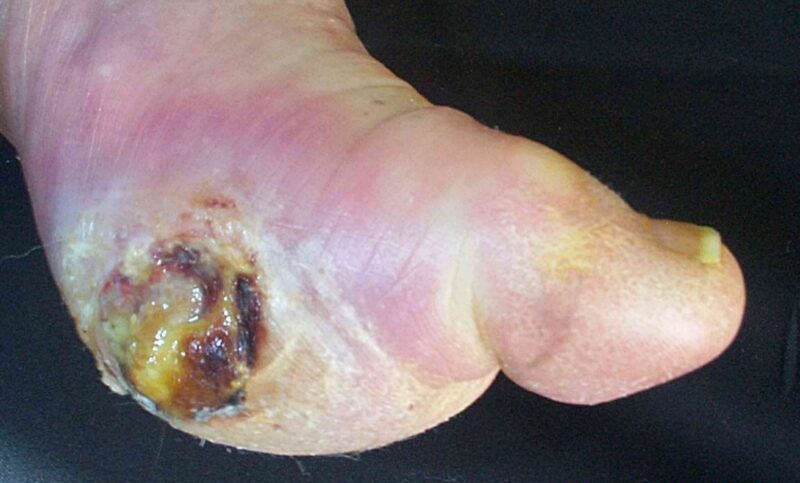
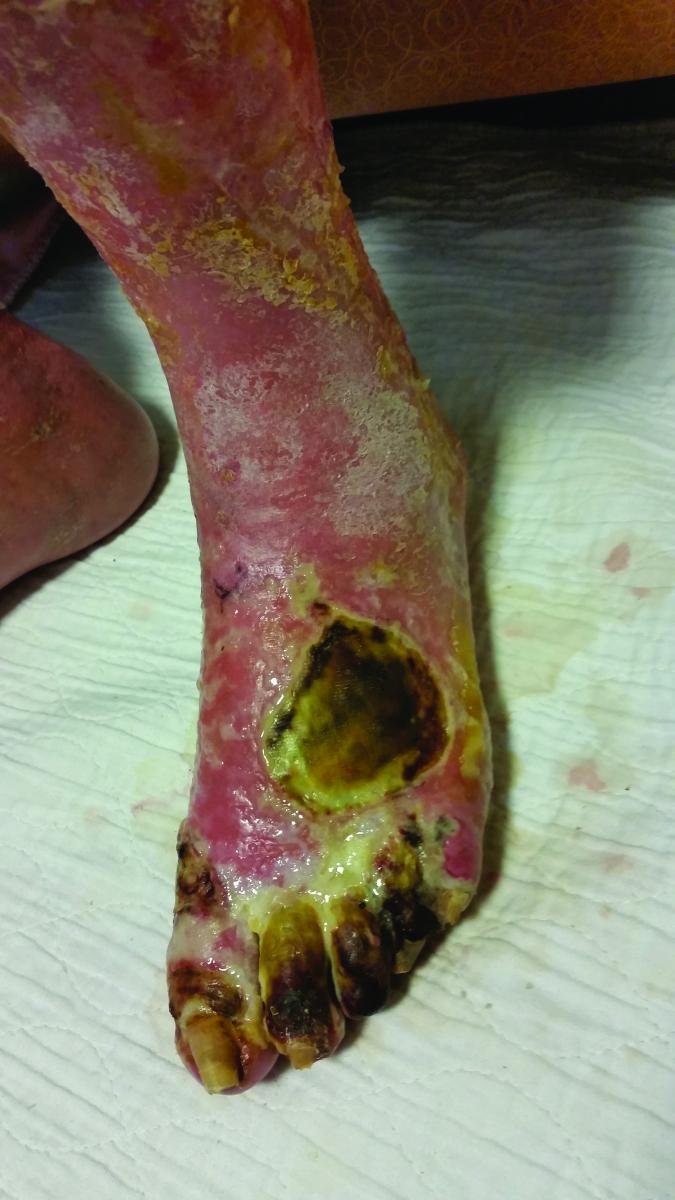
- Diabetic foot ulcers and lower‑limb amputation
- Why: Combination of neuropathy + poor circulation + impaired healing → ulcers that can become infected and lead to amputation.
- Note: Daily foot checks, good glycemic control, and prompt care for wounds reduce risk.
- Diabetic retinopathy and vision loss
- Why: Microvascular damage in the retina causes bleeding, macular edema, and progressive vision loss.
- Note: Regular eye exams and early treatment (laser, injections) preserve sight. (See global retinopathy burden reviews.)
- Diabetic nephropathy (kidney disease) and kidney failure
- Why: High glucose injures kidney microvasculature, causing albuminuria and progressive loss of filtration.
- Note: Diabetes is a leading cause of end‑stage kidney disease—screening (urine albumin, eGFR) is essential.
- Heart failure
- Why: Chronic hyperglycemia, ischemia, and metabolic changes damage cardiac muscle and function.
- Note: Even without classic coronary disease, people with diabetes have higher heart‑failure risk.
- Sexual dysfunction (including erectile dysfunction)
- Why: Vascular and nerve damage impairs blood flow and nerve signaling to sexual organs.
- Note: ED is common in men with diabetes and is often an early sign of vascular disease.
- Cognitive decline and increased dementia risk
- Why: Vascular damage and metabolic effects of chronic hyperglycemia are linked to greater risk of vascular dementia and possibly Alzheimer’s disease.
- Note: Midlife diabetes increases later dementia risk; prevention includes glucose and vascular risk factor control.
- Increased susceptibility to infections & poor wound healing
- Why: Elevated glucose impairs immune cell function and blood flow, increasing risk of bacterial and fungal infections (skin, urinary tract, respiratory).
- Note: Vaccination, prompt treatment of infections, and tight glucose control help reduce risk.
- Skin problems (fungal infections, bacterial infections, diabetic dermopathy)
- Why: High glucose environment favors yeast/bacterial growth; poor circulation and neuropathy worsen outcomes.
- Note: Keep skin dry, inspect regularly, and treat infections early.
- Periodontal disease (gum disease)
- Why: High blood glucose promotes inflammation and infection in gums; gum disease can also worsen glucose control.
- Note: Good oral hygiene and dental care are important in diabetes management.
- Nonalcoholic fatty liver disease (NAFLD) and steatohepatitis
- Why: Insulin resistance and hyperglycemia promote fat accumulation and inflammation in the liver.
- Note: NAFLD is common with type 2 diabetes and increases risk of liver fibrosis and cardiovascular disease.
- Acute metabolic emergencies: Diabetic ketoacidosis (DKA) and Hyperosmolar Hyperglycemic State (HHS)
- Why: Severe insulin deficiency or extreme hyperglycemia causes life‑threatening metabolic derangements (DKA more in type 1; HHS more in type 2).
- Note: These require urgent medical treatment (IV fluids, insulin, electrolyte correction).
- Pregnancy complications and risks for mother and baby
- Why: Poorly controlled blood glucose in pregnancy increases risks of preeclampsia, cesarean delivery, macrosomia (large baby), neonatal hypoglycemia, and future type 2 diabetes risk in mother and child.
- Note: Gestational diabetes requires tight monitoring and management during pregnancy.
Signs to watch for
- Excessive thirst and urination, unexplained fatigue, blurred vision, numbness or tingling in feet/hands, slow‑healing sores, recurrent infections, chest pain, sudden weakness/speech changes (stroke signs), pregnancy‑related concerns. If you notice these, see a healthcare provider.
How to lower the risk of complications
- Keep blood glucose in target range (work with your clinician to set individualized targets).
- Control blood pressure and cholesterol.
- Quit smoking, maintain healthy weight, eat a balanced diet, exercise regularly.
- Attend regular screening: eye exams, foot checks, urine albumin/eGFR, dental checks, and cardiovascular risk assessment.
- Get vaccinated (influenza, pneumococcal, shingles as recommended).
- Follow medication plans (metformin, GLP‑1 RA, SGLT2 inhibitors, insulin, statins, antihypertensives, etc.) as prescribed.
A few key statistics (sources)
- IDF: ~589 million adults (20–79) living with diabetes worldwide (IDF Diabetes Atlas). https://diabetesatlas.org/
- Diabetes caused millions of deaths and very high health expenditures; IDF noted diabetes was responsible for ~3.4 million deaths in 2024. https://diabetesatlas.org/
- WHO: Raised blood glucose contributes to ≈11% of cardiovascular deaths, and many people with diabetes—especially in low‑ and middle‑income countries—do not receive adequate treatment. https://www.who.int/news-room/fact-sheets/detail/diabetes
- Around half of people with diabetes may be undiagnosed in some global estimates; undiagnosed diabetes increases the chance that complications are already present at diagnosis. (See IDF/Diabetes Res Clin Pract review.) https://pubmed.ncbi.nlm.nih.gov/31518657/
Closing / Next steps
If you or someone you care for has high blood sugar or diabetes, schedule regular follow‑ups and screening tests (eye, kidney, feet, cardiovascular risk). Good glucose control plus attention to blood pressure, cholesterol, lifestyle, and prompt treatment of infections and wounds dramatically lowers the risk of many of the problems above.